Trust Administration Guide for Trustees and Families in 2026
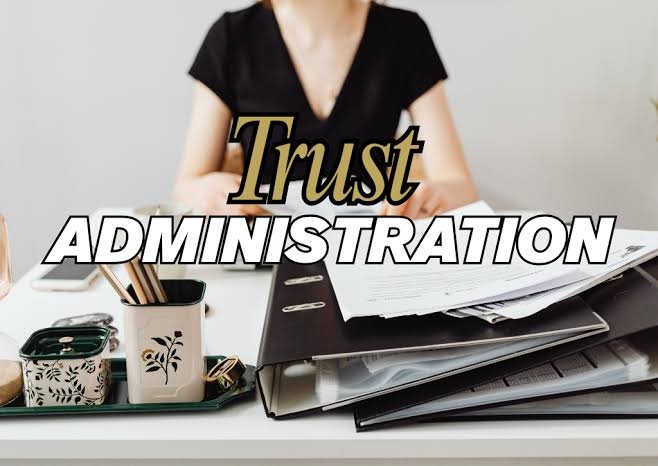
Managing a trust after a major life event can involve much more than distributing property. Trustees may need to identify assets, maintain financial records, communicate with beneficiaries, address taxes and expenses, and follow detailed instructions established in the trust document. As family wealth becomes more diverse, the process can become increasingly complex.
In 2026, trusts may involve real estate, investment accounts, business interests, retirement assets, and digital property. Understanding the fundamentals of trust administration can help trustees approach their responsibilities with greater organization and confidence while reducing the possibility of overlooking important tasks.
Understanding the Role of a Trustee
A trustee is responsible for managing trust property according to the terms of the governing document and applicable law. The specific responsibilities can vary depending on the type of trust and the circumstances involved.
Common duties may include locating and protecting trust assets, maintaining records, communicating with beneficiaries, paying appropriate expenses, and making authorized distributions.
Trustees should begin by carefully reviewing the trust document. Understanding its instructions can establish a framework for the decisions that need to be made and help clarify the trustee's responsibilities.
When the document contains complicated provisions or the trustee is uncertain about a particular obligation, obtaining professional guidance can be beneficial.
Creating a Complete Asset Inventory
One of the earliest steps is identifying everything owned by the trust. This may include bank accounts, securities, real estate, business interests, personal property, and other financial assets.
Digital assets should not automatically be overlooked. Cryptocurrency, websites, online businesses, intellectual property, and digital investment accounts may form part of an estate and require appropriate attention.
Trustees should document relevant ownership information and keep records of asset values where appropriate. A comprehensive inventory can make later accounting and distribution decisions more organized.
It can also reveal assets that require specialized assistance, such as property that needs maintenance or a privately held business that requires valuation.
Keeping Accurate Financial Records
Good documentation is one of the foundations of effective trust management. Trustees may need to track income, expenses, investment activity, distributions, and other transactions.
Keeping records from the beginning can be much easier than attempting to reconstruct financial activity later.
Separate records should be maintained for trust-related transactions, and important documents should be stored securely. Digital accounting and document-management systems may make organization easier, provided confidential information is adequately protected.
Clear records can also help trustees respond to reasonable questions from beneficiaries and coordinate efficiently with accountants or other professionals.
Communicating With Beneficiaries
Beneficiary communication can be an important part of the process. People who are entitled to receive benefits from a trust may have questions about assets, distributions, administration timelines, and other matters.
Trustees should communicate appropriately and maintain records of significant correspondence and decisions.
The precise disclosure obligations can depend on the trust terms and applicable law. For that reason, trustees should avoid making assumptions about what information must be provided.
Clear, timely communication can help reduce misunderstandings and create greater transparency throughout the administration process.
Managing Real Estate and Other Complex Assets
Not every trust contains simple financial accounts. Real estate, closely held businesses, valuable personal property, and other specialized assets may require additional attention.
Real estate may need insurance, repairs, property management, valuation, or eventual sale. A business interest can involve operating agreements, management responsibilities, valuation questions, and succession concerns.
Trustees may need to work with appraisers, financial professionals, accountants, property managers, or other specialists depending on the assets involved.
A coordinated approach can help ensure that important decisions are made with appropriate information.
Understanding Tax and Financial Responsibilities
Tax considerations may also arise during the administration process. Depending on the trust structure and assets involved, trustees may need to coordinate with tax professionals regarding income, reporting, asset values, or distributions.
Trustees should not assume that tax treatment is identical for every trust. The applicable requirements can depend on the circumstances and current regulations.
Maintaining complete financial records can make it easier for qualified professionals to evaluate the trust and prepare any necessary documentation.
When Professional Assistance May Help
Trustees do not necessarily have to manage every issue alone. An experienced trust administration attorney can help explain the trustee's legal responsibilities, interpret provisions in the trust document, and address questions that arise during administration.
Professional guidance may be especially valuable when the trust includes substantial assets, multiple beneficiaries, real estate, business interests, or complicated family circumstances.
Legal assistance can also help trustees approach disagreements or unusual situations carefully rather than making decisions based on assumptions.
The goal is not to make the process unnecessarily complicated. Instead, professional advice can provide clarity when the trustee encounters issues that require specialized knowledge.
The Importance of Organization in 2026
Modern technology has changed how financial information is stored and managed. Online banking, electronic investment platforms, cloud-based records, cryptocurrency, and digital businesses can create both convenience and additional administrative challenges.
Trustees should maintain secure access to necessary records while protecting sensitive information from unauthorized individuals.
A structured digital filing system can help organize statements, correspondence, valuations, receipts, and other documents. However, security measures should be reviewed regularly as technology and account-access requirements evolve.
Reviewing the Process Before Distributions
Before making significant distributions, trustees should carefully review the trust terms, available assets, outstanding expenses, and applicable requirements.
Beneficiaries may have different interests, and the trustee's responsibility is generally to follow the governing document rather than favor one individual based solely on personal preferences.
Taking time to verify information before distributing assets can help reduce avoidable errors.
If the trustee encounters uncertainty about a proposed distribution, professional advice can help clarify the appropriate course of action.
Preparing for a Smoother Administration
Effective trust administration depends on preparation, organization, and attention to detail. Trustees can establish a practical system by creating an asset inventory, maintaining financial records, documenting decisions, communicating appropriately, and seeking professional assistance when necessary.
Families can also make future administration easier by keeping estate documents, account information, and asset records organized during their lifetimes.
The more clearly information is documented, the easier it may be for the person responsible for managing the trust to understand what needs to happen.
Looking Ahead
As families continue to accumulate traditional and digital wealth, trustees will encounter increasingly varied assets and administrative responsibilities. At the same time, technology may provide better tools for recordkeeping and communication.
However, technology cannot replace careful judgment. Trustees still need to understand the trust document, protect trust property, follow applicable requirements, and act responsibly toward beneficiaries.
When complicated legal questions arise, an experienced trust administration attorney can provide guidance tailored to the circumstances.
Conclusion
Serving as a trustee is an important responsibility that requires careful management of property, accurate documentation, and attention to beneficiaries' interests. The process can become particularly challenging when a trust contains complex assets or involves multiple parties.
By starting with a complete asset inventory, maintaining reliable records, addressing digital property, communicating appropriately, and obtaining professional guidance when necessary, trustees can create a more organized administration process.
Ultimately, successful trust administration is about carrying out the trust's instructions carefully while protecting the interests of those the trust was created to benefit.

About Premium Author
This post has been authored and published by one of our premium contributors, who are experts in their fields. They bring high-quality, well-researched content that adds significant value to our platform.

Popular Categories
Stay Connected
Recent Posts