Probate Attorney Naples | Florida Estate Guide 2026
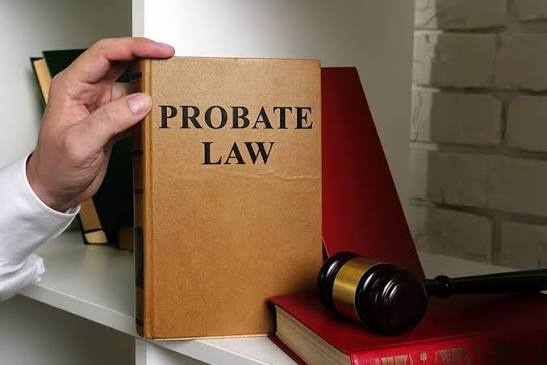
When a loved one passes away, families often face difficult emotional decisions while also having to deal with financial and legal responsibilities. One of the most important questions is what happens to the person's property, accounts, debts, and other assets.
In Florida, probate is the legal process used to administer certain assets belonging to a deceased person. The process can involve validating a will, appointing a personal representative, identifying assets, addressing debts and taxes, and distributing property to beneficiaries.
For families dealing with an estate in Southwest Florida, working with an experienced probate attorney Naples can make the process easier to understand and help ensure important legal requirements are addressed.
What Is Probate?
Probate is a court-supervised process for administering a deceased person's estate. It generally involves determining which assets are subject to probate, paying valid obligations, and distributing remaining assets according to the person's will or Florida's intestacy laws.
Not every asset necessarily passes through probate. Certain jointly owned assets, accounts with beneficiary designations, and assets held in qualifying trusts may pass to another person outside the probate process.
Determining how each asset should be handled is therefore an important first step.
Why Probate Can Become Complicated
Some estates are relatively straightforward, while others involve multiple assets, beneficiaries, creditors, or legal disputes.
Complexity can increase when an estate includes:
- Florida real estate
- Multiple bank or investment accounts
- Business interests
- Valuable personal property
- Outstanding debts
- Multiple beneficiaries
- A blended family
- Property in more than one state
- Questions about a will or trust
The more complicated the estate, the more important it can be to organize the administration process carefully.
Understanding the Personal Representative's Role
The personal representative is responsible for administering the estate.
Depending on the circumstances, responsibilities may include:
- Locating and protecting estate assets
- Identifying probate property
- Reviewing financial obligations
- Addressing creditor claims
- Maintaining property
- Communicating with beneficiaries
- Completing required court filings
- Distributing assets
- Closing the estate
A personal representative should understand that serving in this role involves legal responsibilities rather than simply carrying out family wishes.
Professional legal guidance can help the representative understand the appropriate procedures and avoid preventable mistakes.
Florida Probate Administration
Florida generally recognizes different forms of probate administration, including formal administration and summary administration.
Formal administration is typically used for estates requiring a more comprehensive court-supervised process. Summary administration is a simplified procedure available when the estate meets applicable requirements.
The appropriate process depends on factors such as the value and nature of the estate, the time since the person's death, and other circumstances.
Because the rules can be technical, families should determine which procedure applies to their particular situation rather than assuming a simplified process is available.
What Happens to the Deceased Person's Debts?
Probate involves more than distributing assets to beneficiaries.
An estate may have outstanding obligations such as:
- Mortgages
- Credit cards
- Medical expenses
- Personal loans
- Taxes
- Utility bills
- Other legitimate debts
These obligations may need to be addressed before assets are distributed.
Personal representatives should be careful about paying or distributing assets without first understanding the estate's outstanding obligations and applicable creditor procedures.
Real Estate and Probate
Real estate can be one of the most valuable assets in a Florida estate.
A deceased person may own:
- A primary residence
- A vacation property
- Rental real estate
- Commercial property
- Investment property
- Undeveloped land
The way the property was titled can affect whether it becomes part of the probate estate.
Real estate may also require continued maintenance, insurance, taxes, mortgage payments, or other expenses while the estate is being administered.
If the property needs to be sold, additional legal and practical considerations may arise.
What If There Is a Will?
A will provides instructions regarding the distribution of assets, but having a will does not automatically eliminate probate.
When probate is required, the court may need to determine whether the will is valid and appoint the appropriate personal representative.
The will may also contain specific instructions concerning beneficiaries, personal property, charitable gifts, or other assets.
If family members disagree about the validity or interpretation of a will, the estate may become significantly more complicated.
What Happens Without a Will?
When someone dies without a valid will, Florida's intestacy laws generally determine who may inherit the estate.
This can create difficult questions for families, particularly when there are:
- Children from previous relationships
- Surviving spouses
- Unmarried partners
- Multiple heirs
- Significant assets
- Family disagreements
Without clear estate planning documents, the distribution of assets may not occur according to what the deceased person informally intended.
Probate Disputes
Estate administration does not always proceed smoothly.
Disputes can arise over:
- The validity of a will
- Alleged undue influence
- Testamentary capacity
- Beneficiary rights
- Personal representative actions
- Ownership of property
- Creditor claims
- Trust administration
Some disagreements can be resolved through communication or negotiation, while others may require court involvement.
Obtaining legal advice early can help interested parties understand their rights and available options.
Common Probate Mistakes
Distributing Assets Too Early
Beneficiaries may be eager to receive their inheritance, but the estate's obligations should generally be addressed before final distribution.
Ignoring Estate Property
Real estate, vehicles, valuables, and other property may require protection and maintenance during administration.
Overlooking Debts
Outstanding obligations should be identified and handled according to applicable procedures.
Assuming Every Asset Goes Through Probate
Ownership arrangements and beneficiary designations can determine whether certain assets pass outside probate.
Failing to Communicate With Beneficiaries
Clear communication can help reduce misunderstandings and prevent unnecessary disputes.
Waiting Until a Problem Develops
Legal advice obtained early can help identify potential issues before they become more difficult to resolve.
How a Probate Attorney Can Help
A probate attorney Naples can assist personal representatives and beneficiaries with the legal aspects of estate administration.
Depending on the circumstances, legal assistance may include:
- Reviewing estate documents
- Explaining probate procedures
- Preparing court filings
- Assisting with personal representative duties
- Identifying probate assets
- Addressing creditor issues
- Reviewing property matters
- Communicating with beneficiaries
- Handling contested estate matters
- Preparing final distributions
The attorney's role will depend on the size and complexity of the estate.
When Should a Family Seek Legal Guidance?
Families should consider obtaining legal advice early when probate may be required.
Professional assistance can be particularly useful when:
- The estate owns Florida real estate
- There are substantial assets
- A will is being challenged
- Beneficiaries disagree
- The estate has significant debts
- A business is involved
- The personal representative is uncertain about their responsibilities
- Assets are located in multiple jurisdictions
Early guidance can help establish an organized approach to estate administration.
Estate Planning Can Reduce Future Complications
Probate planning starts long before a person's death.
Individuals can review their estate plans and consider whether their wills, trusts, beneficiary designations, and property ownership arrangements remain consistent with their current goals.
Major life events may justify another review, including:
- Marriage
- Divorce
- Birth or adoption of a child
- Death of a beneficiary
- Acquisition of significant property
- Sale of a business
- Relocation
- Changes in financial circumstances
Keeping documents current can help families avoid unnecessary confusion later.
Why Probate Planning Matters in 2026
Estate administration can involve significant financial assets and complex family relationships. As property values, investments, business interests, and other assets change, individuals should periodically review whether their estate plans still reflect their intentions.
For families dealing with probate today, understanding the applicable Florida procedures is equally important.
Rather than relying on assumptions or outdated information, personal representatives and beneficiaries can seek qualified legal guidance to understand the requirements that apply to their particular estate.
Choosing the Right Legal Support
When selecting legal counsel for an estate matter, families should consider the nature of the estate and the experience needed.
Important factors may include:
- Experience with Florida probate
- Knowledge of estate administration
- Familiarity with real estate issues
- Experience handling contested estates
- Clear communication
- Understanding of the family's objectives
The right legal support can help make a complicated process more manageable.
Conclusion
Probate can be an important part of settling a loved one's affairs, but the process can involve numerous legal, financial, and practical responsibilities. From identifying assets and addressing debts to managing real estate and distributing property, careful administration is essential.
For families in Naples, consulting a qualified probate attorney Naples can provide valuable guidance throughout the estate administration process. An attorney can help personal representatives understand their responsibilities and assist beneficiaries when questions or disputes arise.
Planning ahead can also make a significant difference. Reviewing wills, trusts, beneficiary designations, and property ownership periodically can help ensure that an estate plan continues to reflect a person's wishes.
Whether you are planning your own estate or currently administering a loved one's estate, taking a proactive approach can help create greater clarity and reduce avoidable complications.

About Premium Author
This post has been authored and published by one of our premium contributors, who are experts in their fields. They bring high-quality, well-researched content that adds significant value to our platform.

Popular Categories
Stay Connected
Recent Posts