Raspberry Hills Clothing for Modern Minimalism and Elegance
Understanding the Appeal of Minimal Streetwear
Minimal streetwear proves that an outfit does not need complicated designs or excessive accessories to make a strong impression. Clean silhouettes, balanced colors, and comfortable fabrics can create a distinctive appearance that feels effortless in everyday settings. This approach combines the relaxed character of street fashion with the simplicity of a carefully organized wardrobe.
Raspberry Hills Clothing can be incorporated into a minimalist wardrobe by focusing on versatile garments that complement one another. Instead of building outfits around numerous competing details, choose a few pieces that provide a strong foundation for different combinations. A plain T-shirt, well-fitting trousers, and clean sneakers can create a complete look when their proportions and colors work together.
Minimalism is not about removing personality from fashion. It is about making deliberate choices and allowing each garment to contribute to the overall appearance. With the right balance, even a simple outfit can feel distinctive and well considered.
Start With Clean Shapes and Comfortable Fits
The silhouette of an outfit often determines whether it feels balanced. Minimal streetwear typically benefits from garments with clear shapes, comfortable proportions, and enough structure to maintain their appearance throughout the day.
Straight-leg trousers, relaxed T-shirts, simple sweatshirts, and understated outerwear provide useful starting points. These garments can be combined in several ways without creating a wardrobe that feels repetitive. Their simplicity also makes it easier to introduce a distinctive piece when you want to experiment.
Fit should always reflect personal comfort. Some people prefer relaxed clothing with additional room, while others feel more comfortable in regular-fit garments. Neither approach is essential to minimalism. What matters is that the pieces work together and allow natural movement.
Pay attention to details such as shoulder placement, sleeve length, trouser length, and fabric weight. Small differences can affect how an outfit looks as a whole. A thoughtfully balanced silhouette often creates a stronger impression than adding more decorative elements.
Building a Versatile Neutral Color Palette
Neutral colors are useful in minimalist fashion because they coordinate easily across different garments. Black, white, grey, beige, cream, and navy can form the foundation of a wardrobe that supports many outfit combinations.
You do not need to use every neutral shade at once. Start with a few colors that suit your preferences and build combinations around them. Black trousers, for example, can work with a white T-shirt, a grey sweatshirt, or a cream overshirt. Each combination creates a slightly different appearance while relying on familiar essentials.
Contrast can make neutral outfits more interesting. Pairing a light top with dark bottoms creates a clear visual division, while combining similar shades produces a softer effect. Texture can provide additional depth when the color palette remains simple.
Once you have established a reliable foundation, introduce accent colors if they reflect your personal taste. Muted green, burgundy, or a brighter shade can add individuality without overwhelming the overall look.
Choosing Everyday Essentials With Purpose
A minimalist wardrobe works best when every item serves a clear purpose. Before adding a garment, consider how it will fit into your existing collection and which situations it can support.
T-shirts are useful because they can be worn alone or beneath other layers. Straight-leg jeans offer a dependable option for casual outings, while relaxed trousers provide an alternative when you want a different silhouette. A lightweight jacket can extend the usefulness of your wardrobe across changing temperatures.
Think about your everyday routine as well. Clothing for an office with a relaxed dress code may differ from what you need for creative projects, casual gatherings, or weekends spent outdoors. Your wardrobe should reflect those requirements rather than follow an abstract list of fashion essentials.
Selecting versatile items helps reduce unnecessary purchases. When several garments work together, you can create more combinations without continually expanding your collection. This makes the wardrobe easier to organize and allows you to concentrate on the pieces you genuinely enjoy wearing.
Raspberry Hills Hoodie for Understated Everyday Style
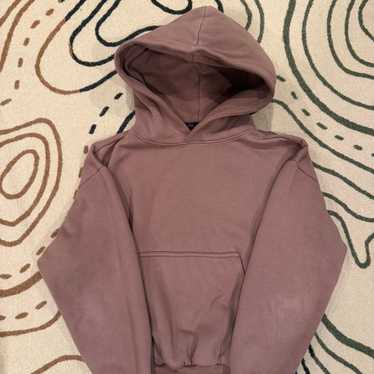
A hoodie can bring comfort and structure to a minimalist outfit without making it feel overly casual. Its simple shape works with several types of bottoms, while a restrained color palette helps maintain a cohesive appearance.
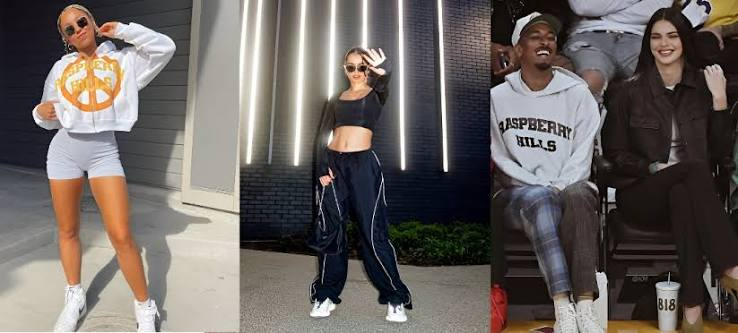
A Raspberry Hills Hoodie can be paired with straight-leg denim, neutral trousers, or understated sneakers for an easy everyday combination. Choose complementary shades when you want a quiet appearance, or use a more distinctive hoodie as the main feature of an otherwise simple outfit.
Layering can add another dimension without compromising minimalism. An unstructured jacket worn over a hoodie creates depth, while a plain T-shirt underneath offers a practical base when temperatures change. The key is to avoid unnecessary bulk and select layers that fit comfortably together.
The weight of the fabric also matters. A heavier hoodie may work better in colder conditions, while a lighter option can be useful during mild weather. Choosing the appropriate material makes the garment more versatile and comfortable across different situations.
Creating Balanced Outfits With Shorts
Minimalist fashion is not limited to long trousers or layered outfits. Shorts can provide an equally clean appearance during warmer weather, particularly when paired with simple tops and understated footwear.
Raspberry Hills Shorts can be styled with a plain T-shirt for a straightforward summer outfit. For a slightly more structured combination, add a lightweight button-up shirt worn open over the top. This introduces another layer without making the outfit look complicated.
Proportion is important when working with shorts. Consider how their length and width relate to the shape of your shirt. Relaxed shorts can work well with a regular-fit top, while wider silhouettes may benefit from careful attention to garment length.
Color coordination keeps the overall appearance consistent. Neutral shorts can be combined with several tops, while a stronger color can become the focal point of an outfit. Clean sneakers or simple casual shoes help maintain the understated character of the combination.
Practicality should remain part of the decision. Choose fabrics that suit the temperature and a fit that remains comfortable while walking or sitting. A minimalist outfit should support everyday activities rather than restrict them.
Using Texture to Add Depth Without Clutter
When an outfit relies on a limited color palette, texture becomes a useful styling tool. Different fabrics can create subtle contrast even when the garments share similar shades.
Denim introduces a more structured surface, cotton provides a familiar everyday feel, and knitwear adds softness. Combining two or three complementary textures can make an outfit feel more developed without introducing additional colors or decorative details.
For example, a cotton T-shirt paired with denim trousers and a lightweight jacket creates a combination of different surfaces. A neutral hoodie can also work with smooth trousers and simple sneakers to produce an understated but varied appearance.
The important point is to maintain balance. Too many heavy or contrasting textures can make a minimalist outfit feel less cohesive. Choose materials that complement one another and suit the conditions in which you plan to wear them.
Texture also contributes to comfort. Breathable fabrics may be preferable in warmer weather, while heavier materials can provide additional warmth when temperatures drop. Good styling considers both appearance and practical use.
Accessories That Complement a Minimalist Wardrobe
Accessories can strengthen a minimalist outfit when they are selected carefully. A simple watch, understated cap, clean belt, or practical bag can introduce a useful detail without competing with the clothing.
Start by considering what the outfit actually needs. If the garments already feature graphic designs or strong colors, simple accessories may help preserve balance. If the clothing is completely understated, one distinctive item can create a focal point.
Footwear deserves the same consideration. Classic sneakers work with many casual combinations, while simple boots can add structure in cooler weather. The color and shape of the shoes should complement the overall silhouette rather than draw attention for unrelated reasons.
You do not need to match every accessory perfectly. Repeating a color or choosing similar design details can create a visual connection without making the outfit feel overly coordinated.
Minimalism encourages thoughtful decisions rather than strict rules. If an accessory contributes comfort, usefulness, or personal character, it can have a place in your wardrobe.
Maintaining a Wardrobe That Looks Consistent
A minimalist wardrobe benefits from regular care and organization. When a collection contains a smaller number of frequently worn garments, maintaining their appearance becomes especially important.
Follow the care labels on your clothing and use suitable washing methods for each fabric. Avoid unnecessary heat when drying garments that may shrink, and store heavier knitwear in a way that helps preserve its shape. Keeping shoes clean can also improve the appearance of otherwise simple outfits.
Organization makes it easier to see which pieces work together. Grouping garments by type or color can help you identify combinations quickly and notice whether you have enough options for different weather conditions.
It is also useful to review your collection periodically. If certain pieces remain unworn because they do not fit comfortably or coordinate with anything else, consider whether they still serve a purpose. The aim is not to own as little as possible, but to maintain a collection that supports your actual lifestyle.
Expressing Individuality Through Simple Clothing
Minimalist style can sometimes be mistaken for a lack of personal expression, but simplicity provides plenty of room for individuality. Your preferred silhouette, favorite colors, footwear choices, and approach to layering all influence how an outfit feels.
Raspberry Hills can fit into a personal wardrobe when its pieces complement your existing preferences and everyday needs. Rather than copying a complete outfit, use styling ideas as inspiration and adjust the colors, proportions, and accessories to suit your taste.
You might prefer a darker palette with clean sneakers, or you may enjoy neutral clothing with occasional graphic details. Both approaches can work within a minimalist framework because the overall appearance depends on balance rather than the absence of design.
Experimentation is still important. Try familiar garments in different combinations and pay attention to what feels natural. Over time, these choices help establish a consistent personal aesthetic without requiring constant wardrobe changes.
Conclusion
Minimal streetwear combines comfortable clothing, balanced proportions, and deliberate styling choices. By focusing on versatile essentials, complementary colors, and carefully selected accessories, you can create outfits that feel modern without becoming complicated.
A thoughtful wardrobe also provides greater flexibility. Garments that coordinate naturally can be worn across different occasions and seasons, making everyday dressing simpler while preserving individual expression. The strongest minimalist style is one that reflects your preferences and supports the way you live.
Frequently Asked Questions
What is minimal streetwear?
Minimal streetwear combines the relaxed character of street fashion with simple designs, balanced proportions, and versatile colors. It focuses on creating practical outfits without excessive visual details.
Which colors work best for minimalist outfits?
Black, white, grey, beige, cream, and navy are useful foundation colors. They coordinate easily and can be combined with occasional accent shades for additional personality.
Can a hoodie fit into a minimalist wardrobe?
Yes. A simple hoodie can be paired with denim, neutral trousers, or shorts. Choosing a suitable fit and complementary colors helps maintain a balanced appearance.
How can I style shorts for a minimalist look?
Pair shorts with a plain T-shirt, understated footwear, and a simple color palette. A lightweight button-up can add structure without making the outfit feel complicated.
How do I avoid making minimalist outfits look boring?
Experiment with fabric textures, garment proportions, and subtle color contrasts. A distinctive pair of shoes or a carefully selected accessory can also introduce personality.
How can I build a minimalist wardrobe on a budget?
Begin with versatile garments that work with items you already own. Prioritize comfort, fit, and regular use, and add new pieces when they fill a genuine gap in your collection.

About Barbas Hats
The EL Barbas Hats editorial team offers accessible guidance on hat styling, fashion choices, and coordinating accessories with outfits.
Popular Categories
Stay Connected
Recent Posts