How Social Media Influences Modern Communities
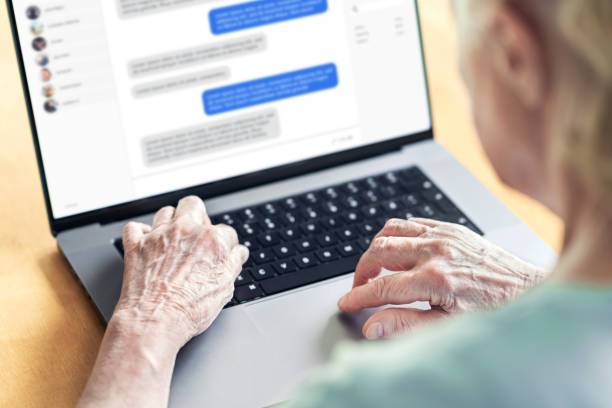
Social media has become an important part of everyday life for millions of people worldwide. Platforms allow users to communicate, share information, and stay connected with family, friends, businesses, and communities at any time.
People spend many hours daily using social media applications for entertainment, education, and communication. These platforms influence personal opinions, buying habits, social behavior, and even emotional well being in different situations and environments.
Online communities grow rapidly because social media makes communication easier and faster than traditional methods. Individuals from different countries can discuss ideas, exchange experiences, and build relationships without facing geographical limitations or travel difficulties.
The influence of social media continues increasing as technology improves every year. Businesses, students, influencers, and organizations depend on social platforms to connect with audiences, promote services, and create stronger online engagement opportunities.
Social Media and Human Communication
Social media has completely changed how people communicate with each other across the world. Messaging applications, comments, and video calls allow instant communication without requiring physical meetings or expensive communication methods.
People can share thoughts, emotions, and personal experiences within seconds through posts and stories. This quick sharing system creates stronger digital connections while helping individuals stay updated about events happening around them.
Online communication also allows users to meet people with similar interests and hobbies. Communities focused on gaming, education, fitness, and technology create opportunities for discussions, collaborations, and friendships among members from different backgrounds.
Although communication has become easier, excessive social media use sometimes reduces face to face interaction. Many people spend more time online than in real life conversations, affecting communication skills and personal relationships over time.
The Impact on Mental Health and Emotions
Social media can positively influence mental health by helping users feel connected and supported. Online communities often encourage people during difficult situations by sharing advice, motivation, and emotional support through comments and discussions.
Educational and motivational content also inspires users to improve their lives and achieve personal goals. Many individuals learn new skills, gain confidence, and find supportive communities that encourage positive lifestyle changes and healthy habits.
However, social media can also create emotional stress and anxiety among users. Constant comparison with influencers, celebrities, and friends sometimes lowers self esteem and creates pressure to maintain unrealistic lifestyles and appearances online.
Negative comments, cyberbullying, and harmful online behavior can seriously affect emotional health. Many users experience loneliness, sadness, or frustration due to toxic online interactions and excessive dependence on social media validation and popularity.
Social Media Influence on Businesses and Marketing
Businesses use social media platforms to reach customers and promote products more effectively. Companies create advertisements, share updates, and interact directly with audiences to build trust and increase customer engagement across digital channels.
Small businesses especially benefit from social media marketing because it reduces advertising costs. Entrepreneurs can promote services to large audiences without requiring expensive traditional marketing methods like television or newspaper advertisements.
Influencers also play an important role in online marketing and brand promotion. Many businesses collaborate with content creators who recommend products and influence followers’ purchasing decisions through reviews, tutorials, and entertaining promotional content online.
Customer feedback through comments and reviews helps businesses improve products and services. Companies analyze online responses to understand customer preferences, solve problems, and strengthen their reputation within competitive digital markets and communities.
Online Communities and Social Connections
Online communities bring together individuals with shared interests, goals, and passions from around the world. Social media groups and forums allow people to exchange knowledge, discuss ideas, and support each other regularly online.
Gaming communities, educational groups, and professional networks continue growing because social media encourages participation and communication. Members share experiences, solve problems together, and create meaningful relationships through active online interaction and collaboration.
Social media communities also support important social causes and awareness campaigns. People organize fundraising activities, spread important information, and encourage public discussions about health, education, environmental protection, and humanitarian issues through online platforms.
Despite these benefits, online communities sometimes spread misinformation and harmful content. False news, rumors, and misleading information can quickly reach large audiences, creating confusion and negatively influencing public opinions and social understanding.
The Role of Influencers and Digital Trends
Influencers have become powerful figures on social media platforms due to their large audiences and engaging content. Many followers trust influencer recommendations regarding fashion, technology, fitness, travel, beauty, and lifestyle related products and services.
Digital trends spread rapidly because users continuously share viral content, challenges, and entertainment videos. Popular trends influence music, fashion, communication styles, and consumer behavior while shaping modern internet culture and online interactions globally.
Young audiences are especially affected by influencer lifestyles and opinions shared online. Many teenagers admire social media personalities and attempt to imitate their fashion choices, routines, and behaviors to gain popularity or online recognition.
Although influencers can inspire audiences positively, some promote unrealistic expectations and harmful products. Responsible content creation and audience awareness are important for maintaining healthy digital environments and reducing the negative effects of online influence.
Privacy and Security Concerns on Social Media
Privacy remains one of the biggest concerns connected with social media usage today. Users often share personal information, photos, and locations online without fully understanding the risks associated with digital data exposure and misuse.
Cybercriminals sometimes target social media users through scams, hacking attempts, and fake profiles. Weak passwords and careless sharing habits increase the chances of identity theft, financial fraud, and unauthorized access to private information.
Social media companies collect user data to improve advertising and personalize content recommendations. Many users worry about how platforms use personal information and whether their online activities remain secure and protected from unauthorized access.
People can improve online safety by using strong passwords, enabling security settings, and avoiding suspicious links. Responsible internet usage helps protect privacy while reducing risks connected with harmful online activities and digital security threats.
The Future of Social Media Communities
Social media will continue evolving as technology introduces new communication features and digital experiences. Artificial intelligence, virtual reality, and advanced content creation tools may completely transform how people interact online in future communities.
Businesses and educational institutions will likely increase their dependence on social media platforms for communication and engagement. Online learning, digital marketing, and remote collaboration opportunities will continue expanding as internet accessibility improves globally.
Future online communities may become more personalized and interactive for users worldwide. Advanced algorithms could provide customized experiences while helping people connect with relevant communities, interests, and educational opportunities more efficiently and effectively.
At the same time, society must address challenges related to misinformation, privacy, and mental health concerns. Responsible social media usage and stronger digital awareness will remain essential for creating healthier and safer online environments for everyone.
Conclusion
Social media has transformed communication, entertainment, marketing, and community building across the world. People use digital platforms daily to connect with others, share experiences, and participate in growing online communities and discussions.
The influence of social media brings both positive and negative effects to society. While it creates opportunities for learning and communication, it also introduces challenges related to mental health, privacy, and misinformation online.
Businesses, influencers, and organizations continue using social media to expand their reach and engage audiences. Digital platforms have become powerful tools for marketing, education, awareness campaigns, and social interaction in modern society.
As technology continues developing, social media will remain an important part of daily life. Responsible usage, critical thinking, and digital awareness will help individuals enjoy the benefits while reducing the risks connected with online communities.

About Premium Author
This post has been authored and published by one of our premium contributors, who are experts in their fields. They bring high-quality, well-researched content that adds significant value to our platform.
Popular Categories
Stay Connected
Recent Posts