Modern Streetwear vs. Traditional Fashion: Key Differences
What Makes Modern Streetwear Different from Traditional Fashion?
Fashion has always reflected the way people live, think, and express themselves. Over the years, clothing has evolved from formal, structured styles toward more relaxed and individual approaches. One of the most noticeable changes is the growth of modern streetwear, a fashion category influenced by urban culture, music, skateboarding, sports, and everyday lifestyles. Unlike traditional fashion, which often emphasizes formal presentation, established dress codes, and classic silhouettes, streetwear places greater importance on comfort, creativity, and personal expression.
Today, people have more clothing options than ever before, making it easier to combine different styles and create outfits that reflect their personalities. Traditional fashion still has an important place in professional settings, formal occasions, and timeless wardrobes, while streetwear has become a popular choice for casual activities and everyday dressing. Understanding the differences between these styles can help shoppers choose clothing that suits their needs and develop a wardrobe that balances comfort with individuality.
Understanding Modern Streetwear
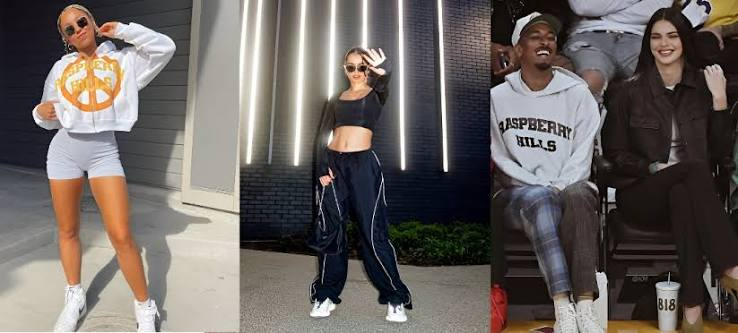
Modern streetwear is a casual fashion style that draws inspiration from urban environments and youth culture. It commonly includes oversized T-shirts, hoodies, sneakers, relaxed trousers, graphic prints, and practical outerwear. Rather than following strict rules about how clothing should look, streetwear encourages experimentation with colors, proportions, textures, and accessories. This flexibility allows people to create outfits that feel personal instead of simply copying a complete look from a fashion collection.
Another defining feature of streetwear is its connection to everyday life. Many outfits are designed for walking around the city, meeting friends, attending casual events, or spending time in creative communities. Comfort is important, but appearance still matters. A carefully selected hoodie, a distinctive graphic T-shirt, and well-matched sneakers can create a stylish outfit without requiring formal tailoring or complicated styling techniques. Brands such as Sinclair Clothing fit naturally into conversations about contemporary casualwear and the growing interest in personal style.
What Defines Traditional Fashion?
Traditional fashion generally places greater emphasis on established clothing conventions, polished appearances, and classic designs. Depending on the occasion, it may include tailored suits, formal shirts, structured jackets, dress trousers, elegant dresses, and carefully selected accessories. These pieces are often associated with professional environments, formal celebrations, business meetings, and occasions where a refined appearance is expected.
However, traditional fashion is not limited to formal clothing. It also includes classic casualwear, heritage-inspired garments, timeless silhouettes, and pieces that remain popular across changing trends. Neutral colors, balanced proportions, and understated designs frequently make traditional clothing easy to coordinate. Many people appreciate this approach because it offers consistency and allows them to build a wardrobe around garments that remain useful for years.
Comfort and Fit: A Major Difference
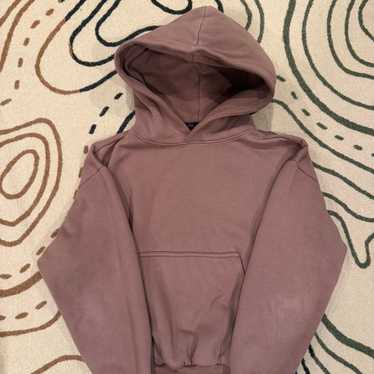
One of the clearest differences between modern streetwear and traditional fashion is the way each approach handles fit. Streetwear frequently uses relaxed or oversized silhouettes that provide freedom of movement and create a distinctive visual appearance. Loose hoodies, boxy T-shirts, relaxed denim, and wide-leg trousers are common examples. These garments allow wearers to experiment with proportions while maintaining a comfortable feel throughout the day.
Traditional fashion often uses more structured fits, particularly in formal clothing. Tailored jackets, fitted shirts, and straight-leg trousers are designed to create a clean and balanced silhouette. Although traditional garments can also be comfortable, their construction may prioritize shape and presentation more heavily than the deliberately relaxed appearance associated with streetwear. Neither approach is automatically better; the right choice depends on the activity, personal preference, and desired appearance.
Design, Graphics, and Visual Expression
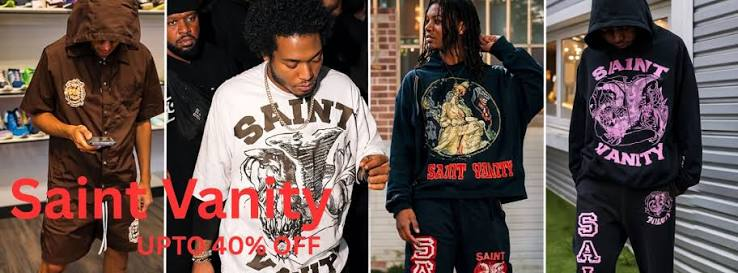
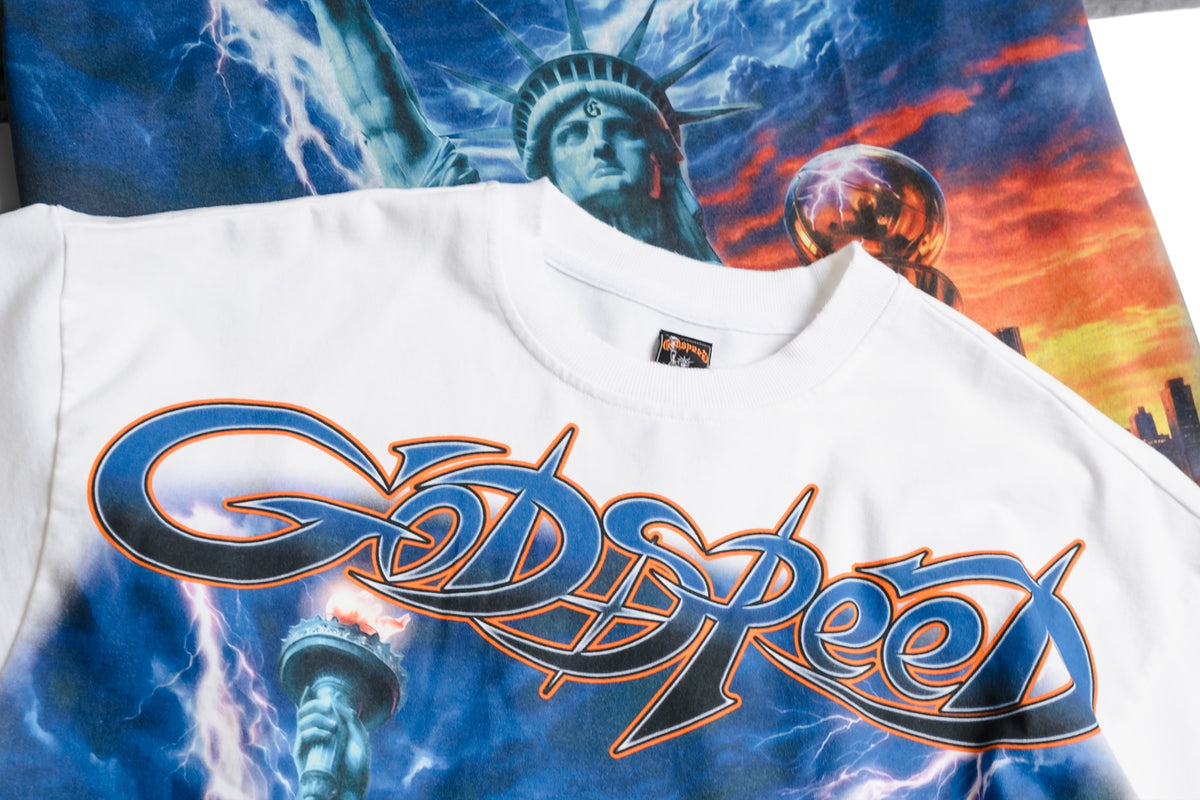
Modern streetwear often uses graphics, logos, illustrations, typography, and bold color combinations to make clothing visually distinctive. A graphic T-shirt can communicate an interest in music, art, sports, or a particular cultural movement. Some designs are subtle, while others use large prints and contrasting colors to become the main feature of an outfit. This emphasis on visual expression gives streetwear an identity that can be recognized without relying on formal tailoring.
Traditional fashion more frequently emphasizes fabric quality, construction, restrained patterns, and classic detailing. Striped shirts, simple knitwear, tailored coats, and understated accessories can create an elegant appearance without demanding attention. Still, the distinction is not absolute. Contemporary designers regularly combine graphic elements with classic garments, while streetwear brands sometimes use minimal designs and neutral colors. The difference lies more in the overall approach than in any single design feature.
Cultural Influences Behind Both Styles
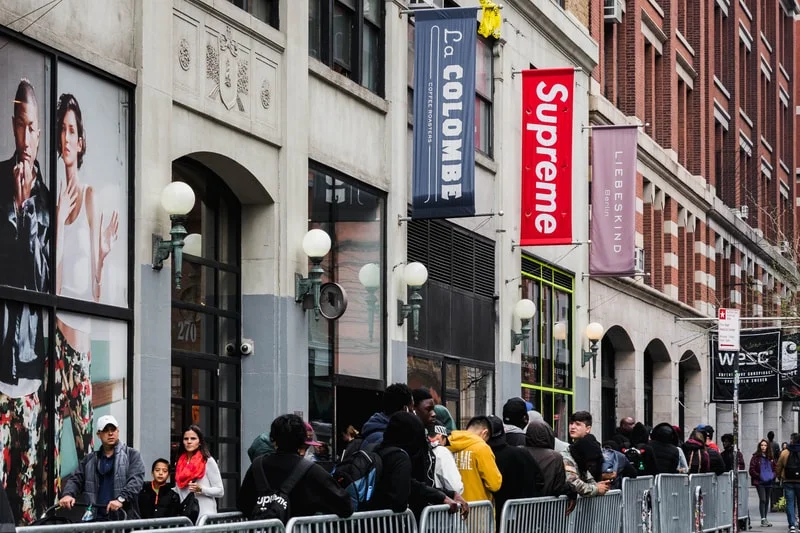
Streetwear developed through a combination of cultural influences, including skateboarding, hip-hop, basketball, surf culture, and urban creative communities. These influences helped establish the popularity of sneakers, graphic apparel, oversized silhouettes, and relaxed everyday clothing. Over time, streetwear moved beyond its original communities and became part of the wider fashion industry, appearing in designer collections, collaborations, and mainstream retail stores.
Traditional fashion has also developed through cultural exchange, historical dress practices, craftsmanship, and changing social expectations. Classic tailoring and formal clothing reflect traditions that have been adapted across generations. Both approaches continue to evolve as designers respond to new ideas and changing lifestyles. Modern streetwear and traditional fashion are therefore not completely separate worlds; they often influence one another and create new ways for people to dress.
Versatility and Everyday Wear
Streetwear is particularly popular among people who want clothing that works across a variety of casual situations. A well-fitting hoodie can be worn with jeans, joggers, or relaxed trousers, while a simple T-shirt can serve as the foundation for several different outfits. Layering also creates flexibility, allowing wearers to combine shirts, jackets, and accessories according to the weather or occasion. These qualities make streetwear useful for building a practical everyday wardrobe.
Traditional fashion offers a different kind of versatility through timeless designs and adaptable basics. A classic shirt can work for an office environment, a dinner, or a smart-casual gathering, depending on how it is styled. A structured jacket may pair with tailored trousers for a formal look or with dark denim for a more relaxed appearance. By combining selected pieces from both categories, shoppers can create a wardrobe that accommodates casual activities as well as situations requiring a more polished presentation.
How Modern Streetwear Approaches Branding
Brand identity is often highly visible in streetwear. Logos, graphic designs, distinctive product names, and limited collections can help a clothing label establish a recognizable appearance. Some consumers are attracted to brands because their designs reflect a particular community or creative perspective. Others prefer simple streetwear with little visible branding, showing that individual taste remains an important factor even within the same fashion category.
Traditional fashion brands often emphasize heritage, craftsmanship, consistency, and recognizable design codes. However, many established fashion houses now offer casual collections, sneakers, and hoodies, while independent streetwear labels may focus on clean construction and understated details. Sinclair Global can be explored alongside other contemporary clothing labels by shoppers interested in casual fashion and modern streetwear. When comparing brands, it is worth considering the fit, fabric information, product design, and versatility of each item rather than relying on branding alone.
Choosing Between Streetwear and Traditional Fashion
Choosing between these styles starts with understanding your lifestyle and the situations in which you need clothing. If your daily routine involves casual outings, creative activities, and relaxed social settings, streetwear may offer the comfort and flexibility you prefer. A Sinclair hoodie, for example, can be considered as part of a casual outfit when its design, fit, and fabric suit your needs. Pairing it with jeans and sneakers creates a straightforward look that can be adapted with different colors and accessories.
Traditional fashion may be more appropriate when you need polished clothing for business meetings, formal events, or occasions with a specific dress code. However, you do not need to choose one style exclusively. A classic coat can work over a simple streetwear outfit, while a plain hoodie can add a relaxed element to otherwise understated casual clothing. The most useful wardrobe is one that reflects your preferences and accommodates the different situations you encounter.
Quality and Long-Term Value
Regardless of the style you prefer, quality should remain an important consideration. When shopping for streetwear, examine fabric composition, stitching, sizing information, and care instructions. Graphic prints and decorative elements should also be considered in relation to how frequently you expect to wear and wash the garment. Choosing pieces that feel comfortable and work with your existing wardrobe can help you get more use from each purchase.
Traditional clothing benefits from the same careful evaluation. Well-constructed shirts, jackets, trousers, and knitwear can remain useful for years when they are maintained properly. Rather than purchasing every new trend, consider investing in a combination of reliable basics and a few distinctive pieces that reflect your personality. This balanced approach makes it easier to enjoy changing fashion trends without constantly rebuilding your wardrobe.
Conclusion
Modern streetwear differs from traditional fashion mainly through its emphasis on relaxed fits, cultural influences, graphic designs, and individual expression. Traditional fashion generally focuses more on classic silhouettes, established dress conventions, and polished presentation, making it useful for formal and professional settings. Nevertheless, both styles offer valuable options, and their boundaries continue to overlap as fashion evolves.
The best choice depends on your lifestyle, personal taste, and the occasions for which you dress. You can embrace streetwear through comfortable hoodies, graphic T-shirts, and sneakers while maintaining traditional pieces for situations that require a refined look. Exploring contemporary brands such as Sinclair Clothing alongside classic wardrobe essentials can help you find a balance between comfort, versatility, and individuality. Ultimately, fashion works best when your clothing feels appropriate for your life and reflects who you are.

About Barbas Hats
The EL Barbas Hats editorial team offers accessible guidance on hat styling, fashion choices, and coordinating accessories with outfits.


Popular Categories
Stay Connected
Recent Posts