Satoshi Nakamoto Flea Market Finds for Distinctive

Turn Everyday Discoveries Into Personal Style
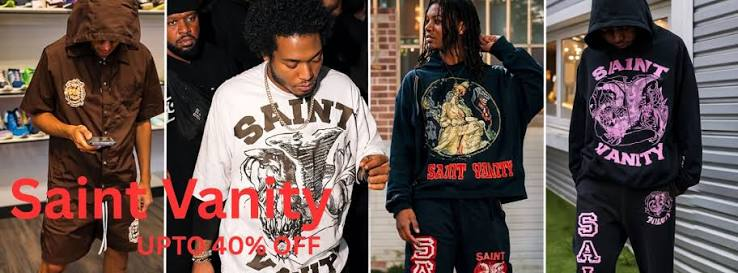
Building an individual wardrobe does not always require buying a complete new collection of clothes. Sometimes, a single interesting shirt, an unusual jacket, or a well-chosen accessory can inspire several fresh outfit combinations. Flea markets, independent shops, and secondhand stores offer opportunities to discover pieces that feel different from the usual high-street selections. Satoshi Nakamoto-inspired streetwear fits this creative approach by bringing relaxed silhouettes and expressive details into everyday dressing. With a little patience and an eye for useful garments, you can create a wardrobe that reflects your personality without depending on constant trend changes.
Look for Pieces That Fit Your Existing Wardrobe
When searching for new clothing, consider how each item will work with what you already own. An interesting garment may look appealing on its own but become less useful if it only matches one outfit. Satoshi Nakamoto Clothing can inspire a wardrobe built around versatile basics, distinctive designs, and flexible combinations. Before purchasing anything, think about whether the item works with your favorite trousers, shoes, or outerwear. This approach encourages more deliberate choices and helps you avoid accumulating pieces that rarely get worn. A strong wardrobe is not necessarily large; it is one where the individual garments work together.
Discover Shirts With Individual Character
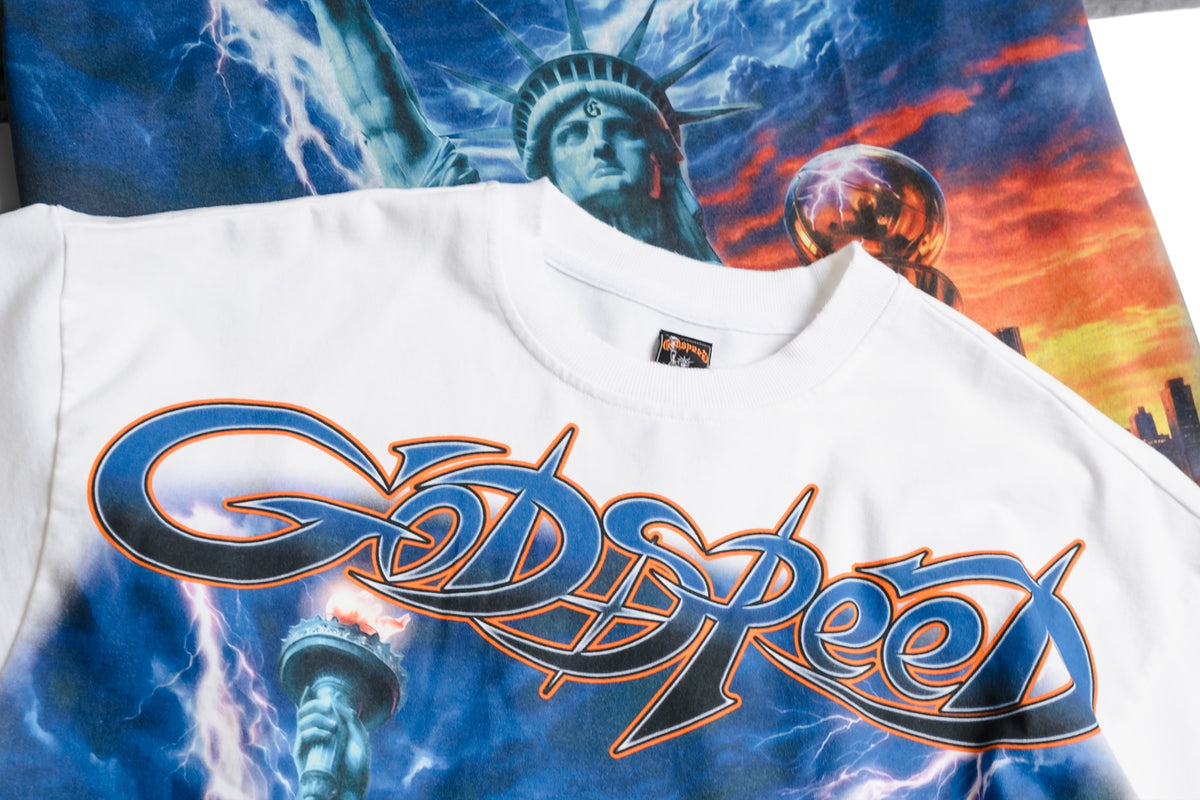
Shirts are often among the easiest pieces to incorporate into a changing wardrobe. A graphic tee can introduce personality, while a plain shirt provides a flexible foundation for more noticeable accessories or trousers. When browsing secondhand clothing, examine the garment's fit, visible condition, seams, and fastenings where applicable. Consider whether the shirt can be worn alone or layered under an overshirt or jacket. You can create a fresh combination simply by pairing a familiar shirt with different bottoms. Choosing shirts that suit your preferred colors and proportions makes it easier to build outfits that feel consistent without looking repetitive.
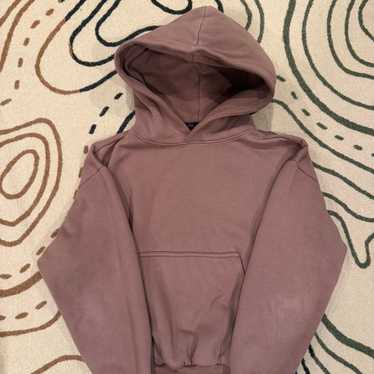
Find a Hoodie That Works Across Seasons
A hoodie can serve as a useful wardrobe layer when temperatures change or you want a relaxed everyday look. Look for a fit that feels comfortable over a tee and works with the trousers you wear most often. Neutral colors are easy to coordinate, while distinctive graphics or shades can make the hoodie a focal point. Check the garment's condition before purchasing, including cuffs, seams, and any visible wear. A well-chosen hoodie can work for casual meetups, weekend errands, and relaxed evenings. Its value comes from how naturally it fits into your routine rather than from how often it appears in trend-focused outfits.
Choose Trousers That Create New Combinations
A different pair of trousers can change the appearance of several shirts you already own. Straight-leg denim provides a familiar option, while relaxed pants create a more laid-back silhouette. Utility-inspired designs may appeal to those who prefer practical pockets and a slightly structured shape. Consider the garment's length, waist fit, and overall condition before buying. Satoshi Nakamoto Vans can complement a variety of casual trouser styles, especially when the hem and shoe proportions work together. By choosing bottoms that coordinate with multiple tops, you can create a greater range of outfits without needing to purchase an entirely new wardrobe.
Search for Outerwear With Versatile Styling Potential
Outerwear can be a particularly useful find because it often defines the overall character of an outfit. A simple jacket can add structure to a graphic tee, while an overshirt offers a lighter option for layering. Look for colors that work with several garments you already wear, and consider whether the jacket suits your local weather. Check pockets, closures, seams, and other visible details to understand the garment's condition. You do not need an unusual design to make an impact. Sometimes a clean, well-fitting outer layer provides more long-term value than a statement piece that is difficult to style.
Add a Bag That Serves a Practical Purpose
Accessories can help connect different pieces in a wardrobe, but usefulness should remain part of the decision. Satoshi Nakamoto Bag styling can complement casual streetwear when the bag's shape and color suit the rest of your outfit. When considering a bag from a flea market or secondhand shop, inspect the straps, closures, stitching, and overall condition. Think about what you normally carry and whether the size is appropriate for your routine. A compact option may work for everyday essentials, while a larger bag could be more useful for shopping or travel. Select a bag that meets your needs rather than buying one solely for appearance.
Experiment With Unexpected Color Pairings
Finding new clothing can encourage you to explore colors you might not normally choose. Muted greens, faded blues, earthy browns, and classic neutrals can work together in several combinations. Start with a familiar base and introduce one less familiar shade through a shirt, jacket, or accessory. If you discover a patterned garment, identify one of its colors and repeat that shade elsewhere in the outfit. This creates a subtle connection without requiring everything to match. Trying combinations at home before wearing them outside helps you discover which colors feel natural and which ones you genuinely enjoy.
Check Garment Condition Before Making a Purchase
An appealing appearance should not be the only factor when choosing secondhand clothing. Examine garments for stains, holes, loose seams, missing buttons, damaged zippers, or other issues that may affect how they can be worn. Check the care label when available and consider whether the item can be cleaned appropriately. Some flaws may be manageable, while others could require repairs that outweigh the value of the purchase. If a garment needs alterations, think realistically about the time and cost involved. Careful inspection helps you make more informed choices and build a wardrobe around pieces you can use comfortably.
Style New Finds With Familiar Essentials
A distinctive secondhand piece often works best when combined with simple items already in your wardrobe. A patterned shirt can pair with plain denim, while an unusual jacket may look balanced with a basic tee and straightforward trousers. Satoshi Nakamoto Hoodie combinations can also provide a reliable base for experimenting with different accessories and bottoms. Try one new styling idea at a time so you can see how each piece changes the outfit. You may discover that a garment works better in a combination you had not considered while shopping. This process makes wardrobe building more creative and helps you use each purchase in different ways.
Build a Wardrobe That Reflects Your Own Choices
Personal style develops through experimentation, not through buying every item that catches your attention. Flea market finds can introduce variety, but each purchase should still suit your preferences, practical needs, and existing clothes. Focus on garments that feel comfortable, fit well, and offer more than one styling possibility. Over time, these thoughtful choices can create a wardrobe that feels distinctive without becoming difficult to manage. Whether you prefer understated combinations or expressive streetwear, the strongest outfits are the ones you can wear confidently and adapt to different everyday situations.
Frequently Asked Questions
How Do I Find Useful Clothing at a Flea Market?
Look for versatile pieces that suit your existing wardrobe, check their condition carefully, and consider how many outfits you could create with each item.
What Should I Check Before Buying Secondhand Clothing?
Inspect seams, closures, fabric condition, stains, holes, and any signs of damage. Check care information when available.
How Can I Style a Unique Secondhand Shirt?
Pair it with simple trousers and familiar footwear, then use one accessory to connect the colors or details in the outfit.
Is Secondhand Clothing Suitable for Modern Streetwear?
Yes. Secondhand garments can add individual character to contemporary streetwear when combined with comfortable basics and balanced proportions.
How Can I Avoid Buying Clothes I Will Not Wear?
Before purchasing, identify at least two or three combinations using garments you already own and consider whether the item suits your everyday routine.

About Barbas Hats
The EL Barbas Hats editorial team offers accessible guidance on hat styling, fashion choices, and coordinating accessories with outfits.

Popular Categories
Stay Connected
Recent Posts