Honeywell Home Thermostat Reset: Smart HVAC Guide & 2026 Trends
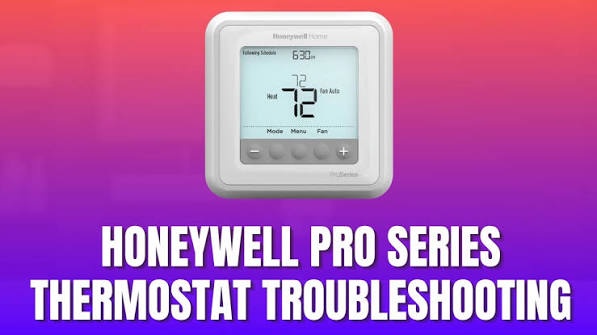
Smart thermostats have become an important part of modern residential HVAC systems. They provide homeowners with greater control over temperature settings, heating and cooling schedules, energy consumption, and connected-home features. As thermostat technology continues to advance in 2026, homeowners are also encountering new questions about configuration, connectivity, and troubleshooting.
One common issue involves restoring a thermostat to its original settings. Understanding when and why a reset may be necessary can help homeowners troubleshoot certain problems without immediately replacing a device.
A honeywell home thermostat reset can mean different things depending on the model and the type of problem. Some devices offer separate options for resetting schedules, Wi-Fi connections, or factory settings. Because thermostat designs differ, homeowners should always identify their specific model before changing its configuration.
Why Thermostat Resets Are Sometimes Necessary
A thermostat may require a reset after experiencing configuration problems, connectivity issues, unusual behavior, or changes to the HVAC system.
For example, a homeowner may have difficulty connecting a smart thermostat to a wireless network. In another situation, previously programmed schedules may no longer match the household's routine.
A reset can sometimes restore normal functionality, but it is important to understand what information will be erased before selecting a particular reset option.
A factory reset is generally more extensive than resetting a schedule or wireless connection. It can remove customized settings and require the homeowner to configure the thermostat again.
Different Types of Thermostat Resets
Modern thermostats may provide several reset options rather than one universal reset function.
A schedule reset can restore programmed temperature settings while preserving other configuration information, depending on the model.
A Wi-Fi reset can remove wireless network information and allow the thermostat to reconnect to a network.
A factory reset is generally designed to return the thermostat to its original configuration.
The exact options and procedures vary between models. Homeowners should therefore use the manufacturer's instructions for their particular thermostat rather than applying a reset procedure found for another device.
Smart HVAC Technology Is Advancing
Thermostats are becoming more sophisticated as artificial intelligence, machine learning, occupancy sensors, and connected HVAC equipment become increasingly common.
Modern systems can analyze household patterns and adjust heating or cooling according to occupancy, schedules, outdoor conditions, and user preferences.
These technologies can reduce the amount of manual programming required while potentially improving energy management.
Remote access is another major feature. Compatible smart thermostats allow homeowners to monitor and adjust indoor temperatures through mobile applications.
Artificial Intelligence and Adaptive Scheduling
AI-assisted climate management is one of the notable trends shaping residential HVAC technology in 2026.
Traditional thermostats follow predetermined schedules, while intelligent systems can analyze historical temperature preferences and household routines.
For example, a smart thermostat may recognize when occupants typically leave home and reduce HVAC operation during those periods. It can then restore a preferred temperature around the expected return time.
Adaptive scheduling can make temperature management more convenient and may help reduce unnecessary HVAC operation.
However, homeowners should periodically review automated settings to ensure that they continue to reflect actual household needs.
Wi-Fi Connectivity Can Create Confusion
Connected thermostats depend on reliable wireless communication. A thermostat may continue controlling the HVAC system even if its internet connection is temporarily unavailable, depending on the model.
Homeowners should distinguish between a Wi-Fi problem and a thermostat operating problem.
If the display works normally but the mobile application cannot connect, checking the home's network connection may be more appropriate than performing a factory reset.
If the display is completely inactive, the problem could instead involve batteries, power, wiring, or the HVAC system itself.
Power Problems Should Be Investigated Carefully
A thermostat depends on an appropriate power supply. Some models use replaceable batteries, while others receive power from the HVAC system.
A blank display can therefore have several possible causes.
Homeowners can perform simple manufacturer-approved checks, such as replacing batteries when applicable or confirming that the HVAC system has power.
However, electrical problems should not be addressed by randomly changing wiring or bypassing safety controls.
Repeated circuit-breaker trips, burning odors, damaged wiring, or other unusual electrical symptoms require professional evaluation.
Resetting Is Not Always the Solution
A reset may resolve certain configuration issues, but it cannot repair a damaged component or an underlying HVAC problem.
If a thermostat repeatedly loses power, fails to communicate with equipment, or behaves abnormally after appropriate troubleshooting, professional diagnosis may be necessary.
The problem could involve the thermostat itself, the HVAC control circuit, transformer, wiring, or another component.
Replacing a thermostat without determining the actual cause can result in unnecessary expense.
Smart Diagnostics Are Improving HVAC Maintenance
Another emerging trend is the integration of thermostats with predictive HVAC diagnostics.
Connected systems can collect information about temperature changes, equipment runtime, and operating patterns. Advanced monitoring can potentially identify deviations from normal performance.
For example, unusually long cooling cycles may indicate restricted airflow, equipment deterioration, or another developing problem.
When smart controls and professional HVAC service work together, historical operating information can provide useful context during troubleshooting.
Energy Efficiency Remains a Priority
Smart thermostats can contribute to energy-management strategies by helping homeowners establish appropriate schedules and avoid unnecessary heating or cooling.
However, thermostat settings are only one part of HVAC efficiency.
Dirty filters, poor insulation, leaking ductwork, improperly sized equipment, and neglected maintenance can all reduce system performance.
Combining smart temperature control with regular HVAC maintenance can provide a more effective approach to managing energy consumption.
How to Approach a Thermostat Reset
Before performing a honeywell home thermostat reset, homeowners should identify the thermostat model and determine what problem they are trying to solve.
They should also record important schedules or settings if a factory reset may erase customized information.
Following the manufacturer's model-specific instructions is preferable to using a generic procedure because available reset functions can vary.
If resetting the thermostat does not resolve the problem, professional HVAC service can determine whether the issue involves the control device or another part of the heating and cooling system.
The Future of Smart Thermostats
Residential thermostat technology will continue becoming more intelligent, connected, and energy-focused throughout 2026 and beyond.
AI-assisted scheduling, occupancy detection, remote monitoring, predictive diagnostics, and smart-home integration are giving homeowners greater control over indoor comfort.
At the same time, basic troubleshooting knowledge remains valuable. Understanding the difference between schedule, Wi-Fi, and factory resets can prevent homeowners from making unnecessary configuration changes.
Ultimately, smart technology works best when combined with proper installation, sensible settings, routine maintenance, and professional HVAC support when technical problems arise.

About Premium Author
This post has been authored and published by one of our premium contributors, who are experts in their fields. They bring high-quality, well-researched content that adds significant value to our platform.


Popular Categories
Stay Connected
Recent Posts